Di Gaan Sembe [Matawai language]: the elders, or the ancestors.
In September 2018, three Matawai community members visited the city of Washington, DC in the United States for the very first time. Tina Henkie, Rolien Sallons, and Josef Dennert traveled more than 19 hours from Suriname to research the papers of Edward C. Green at the Smithsonian Institution's National Anthropology Archives.
Green, an anthropologist, amassed a collection of field notes, photographs, and audio recordings captured during his time with the Matawai in the early 1970s–all of which were recently donated to the Smithsonian’s National Anthropological Archives. Sponsored by the Smithsonian Institution’s Recovering Voices Program, the three Matawai researchers were able to access these invaluable historical materials for the first time, and were permitted to take back copies to share with the rest of their community.
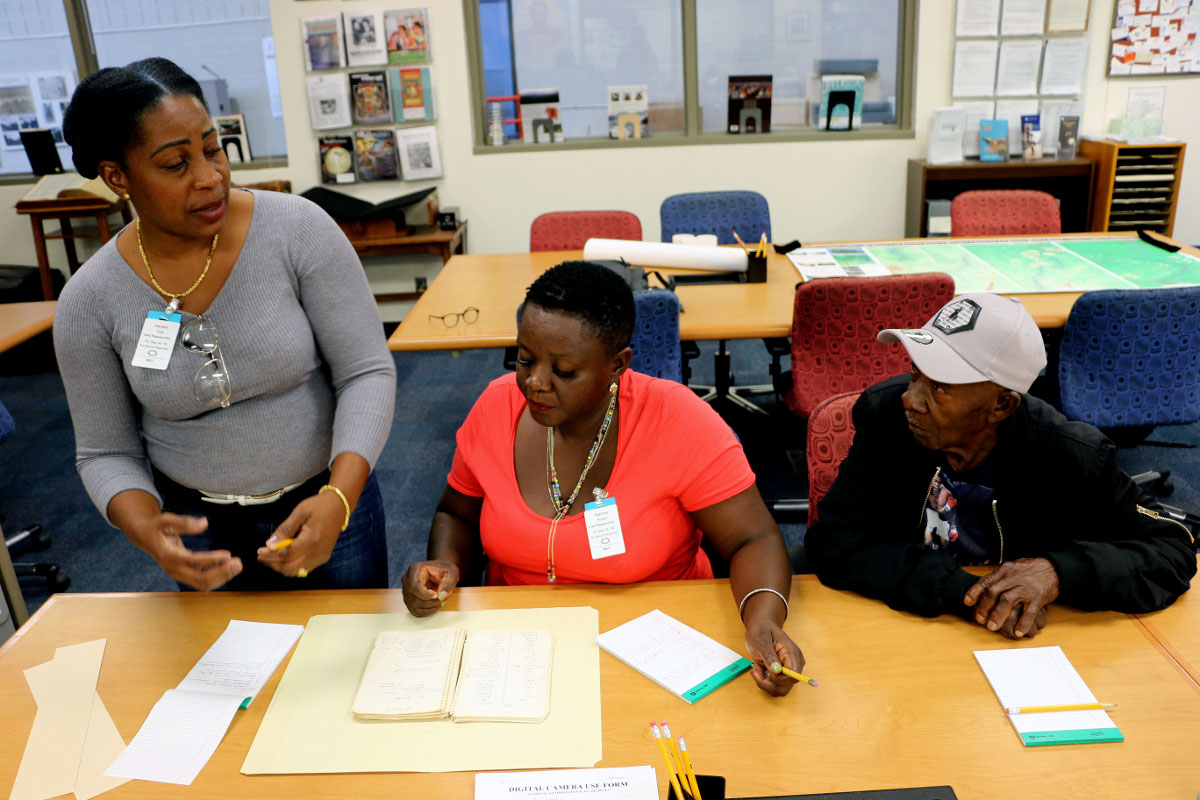
At the end of their research visit, Tina, Rolien, and Josef discussed the importance of archives, oral histories, and keeping a record of their community's living history for the future generations of Matawai. What follows is an abridged transcript from their conversation. The original conversation is in the Matawai language, also made available via video.
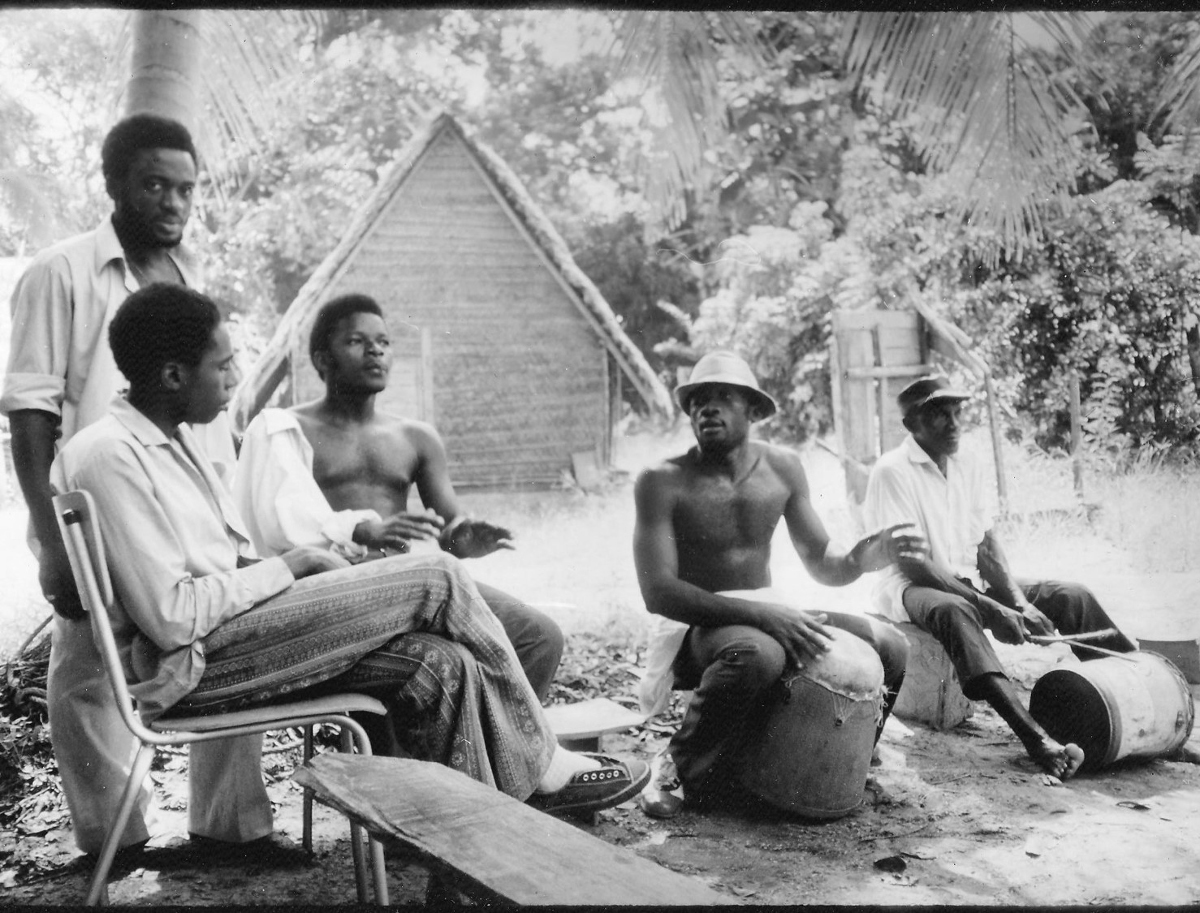
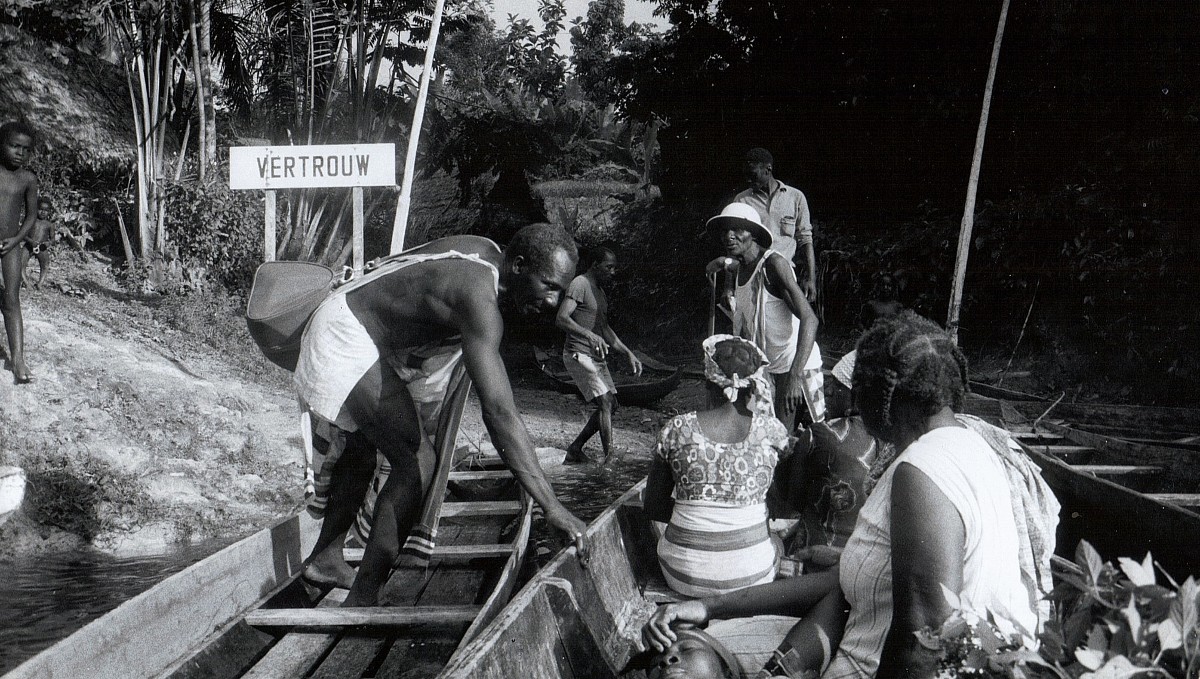
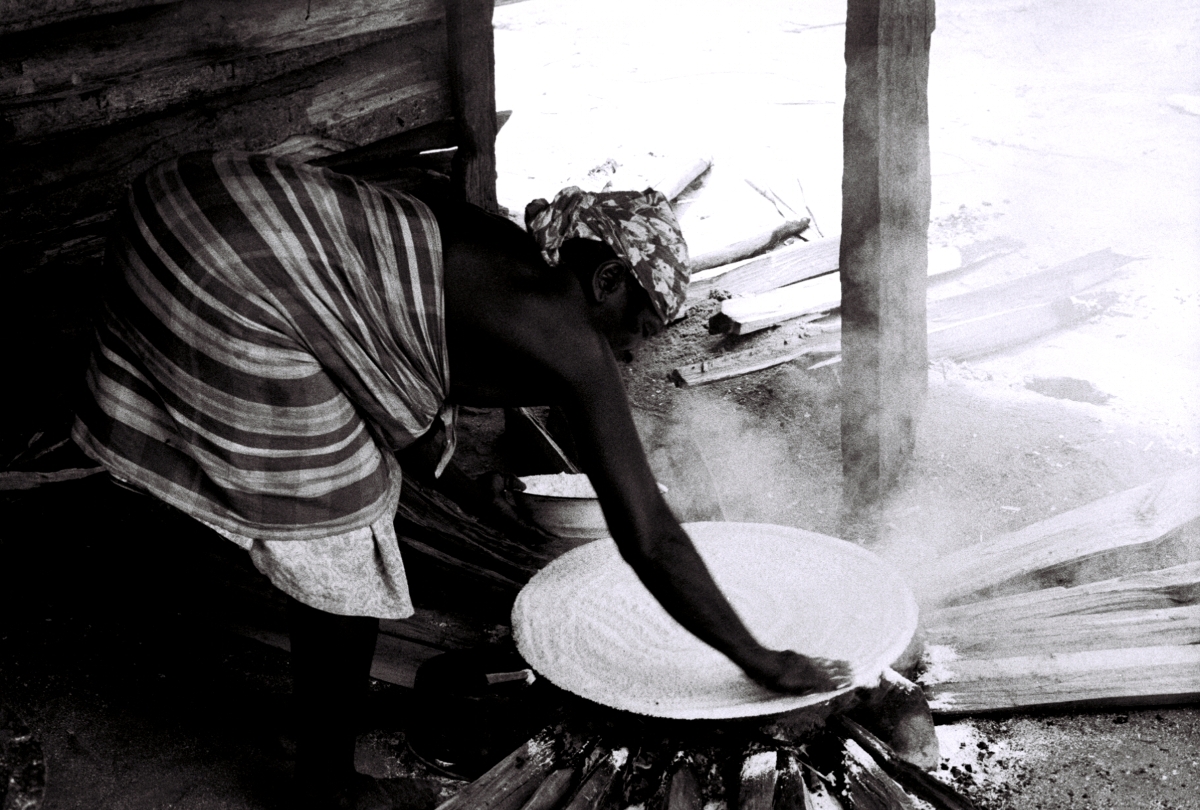
To provide a picture of what life was like in the 1970s when Green lived among the Matawai, original photos from the Edward C. Green Papers are interspersed throughout the narrative, courtesy of the Smithsonian Institute (link).
To conclude, we present videos from a special performance night held by the Matawai for invited guests, at the Smithsonian Institute's National Museum of the American Indian.
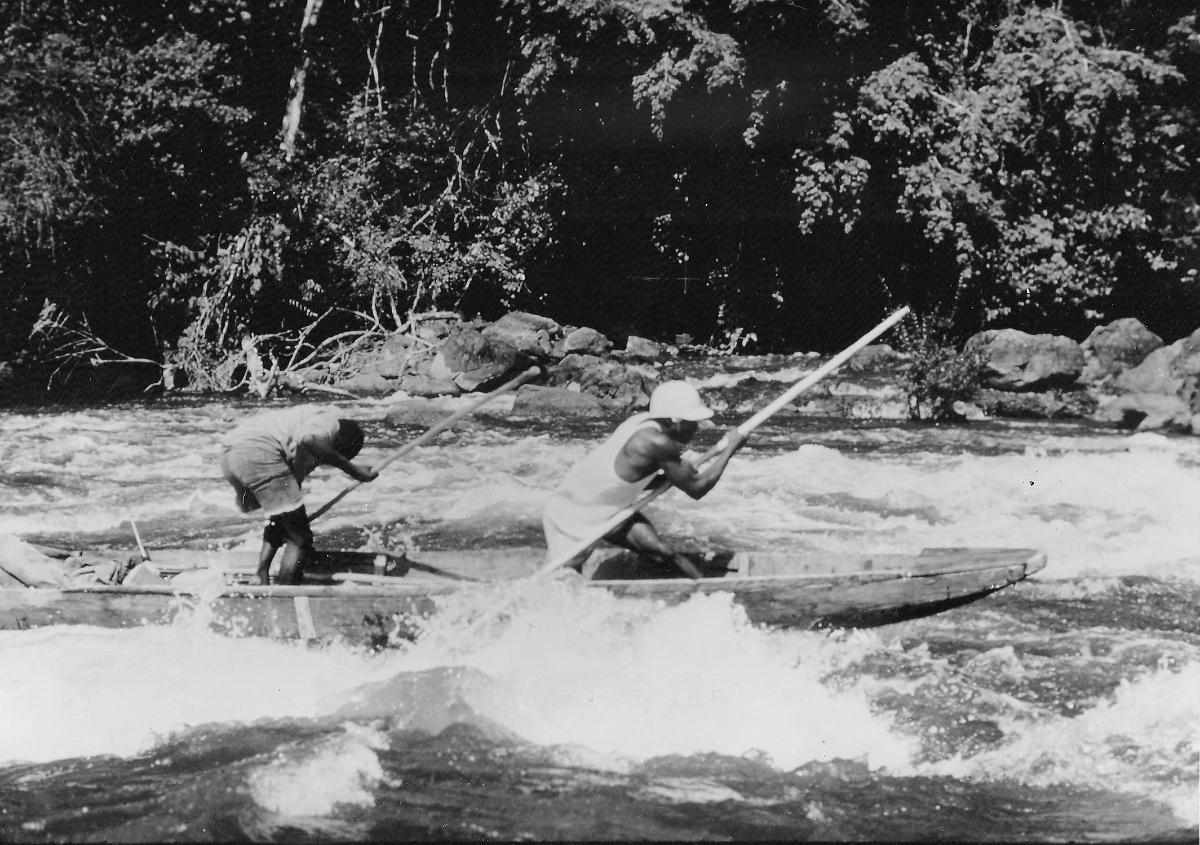
TINA: We came here. Since Monday we began coming here. We are here to come to understand what our people said, and to come look for knowledge on us Matawai people as written down here; to come see what we can find here.
JOSEF: So it is.
TINA: Now, we came here, and we found a lot, and now we will talk about what we found. Because, let's say that I want to learn, or am a child that wants to learn – I will find what I am looking for here.
JOSEF: Me as well.
TINA: Well, then. So, there are bits and pieces here, because as we've been saying, our ancestors were not writing. So we have to learn our history. And this grandpa [Edward Green] here, who did his homework, gives us this. And as a human being, you have to know where you come from. And for us, we are from this lo (clan).
JOSEF: You have to know your tribe.
TINA: One hundred percent.
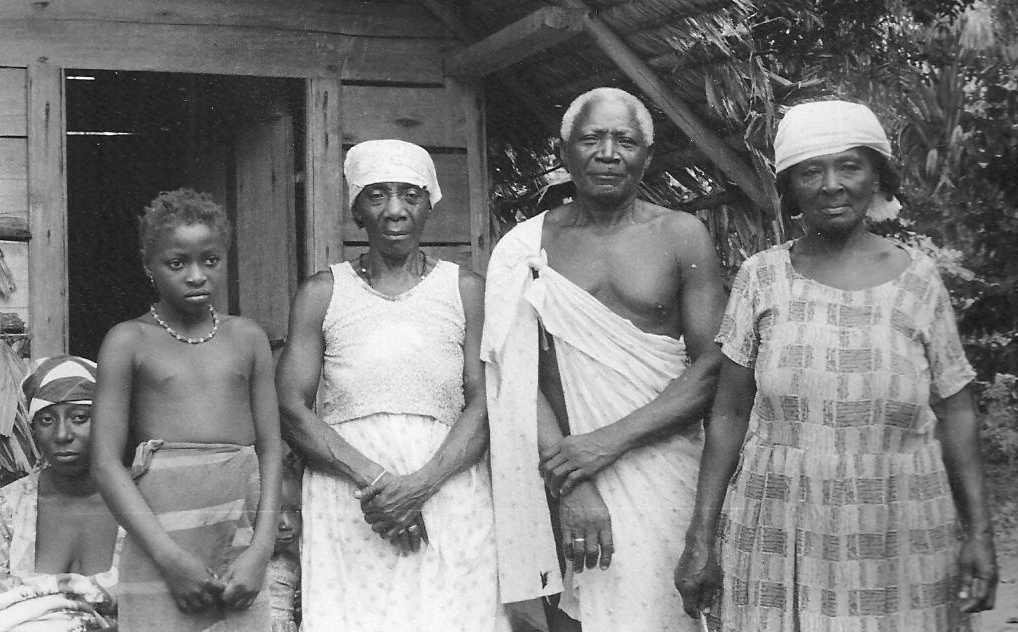
TINA: So, there is much to learn here about the Matawai community. How they lived among each other, the things they were doing – some of which continue until today – you can find that in here. As well as differences between the Matawai and other communities. Actually, something else that I found here is that a lot of the discrimination that exists between us forest people, existed back then too.
JOSEF: So it is. And it holds us back today.
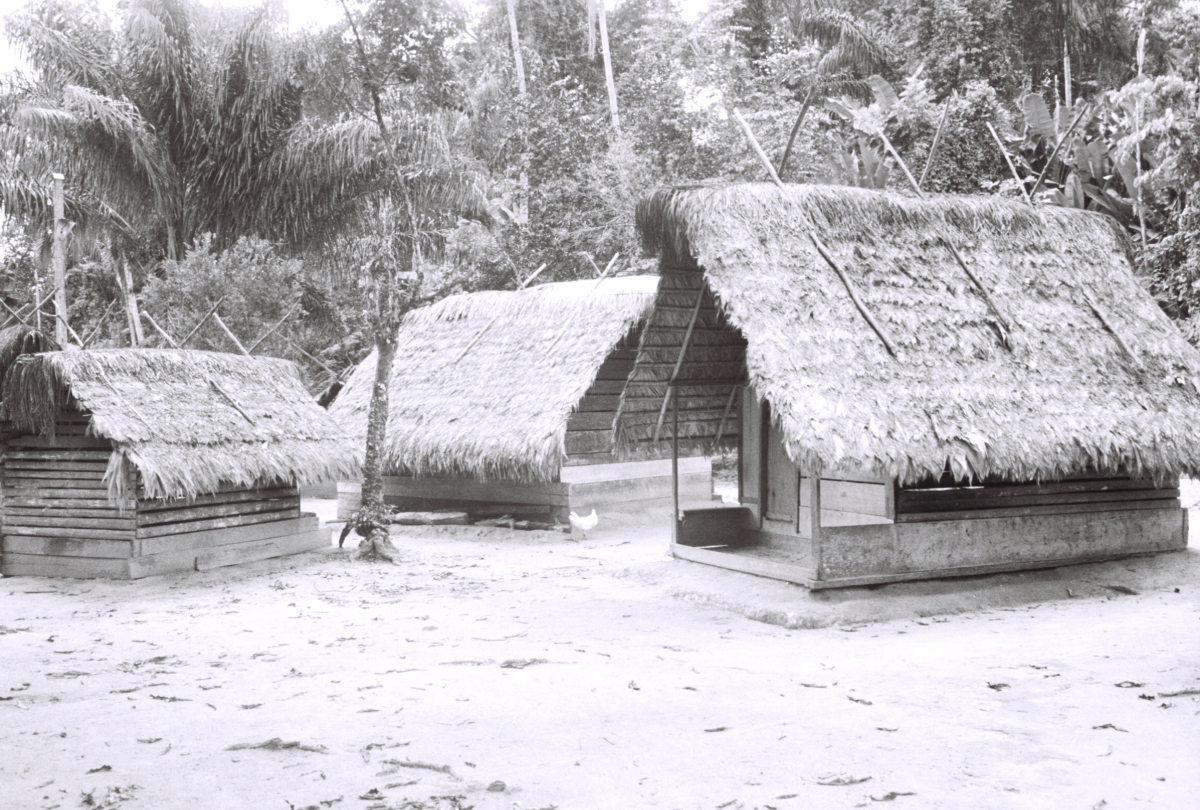
TINA: Yes. We found so many other things that were taking place back then. Things that the elders have stopped doing. The songs they sung when it got dark, the many kinds of pepper they would plant, and also a lot of stories about the people who lived back then. And also, stories from the elders who told about the Congo, how the whites shot us Africans.
JOSEF: So it is.
TINA: And I wasn't able to go into deep detail while here, but I know that if you keep reading, and write what you find, you will get to know things even more finely.
JOSEF: So it is.
TINA: And I wasn't able to go into deep detail while here, but I know that if you keep reading, and write what you find, you will get to know things even more finely.
JOSEF: So it is.
TINA: He asked so many questions to us Matawai people. And so I read about the obiah things that we Matawai stopped doing because Johannes King brought the church to us.
JOSEF: Yes, the church came to us.
TINA: How we made many children. Where the ancestors used to live, and where they moved to. And we heard stories like... what was it, Nongo?
JOSEF: Nongo and Adonké.
TINA: Yes, Adonké. We heard and sang that song yesterday, and it's so beautiful.
JOSEF: Yes, Adonké is a beautiful song. The ancestors gave us our traditions, in that way.
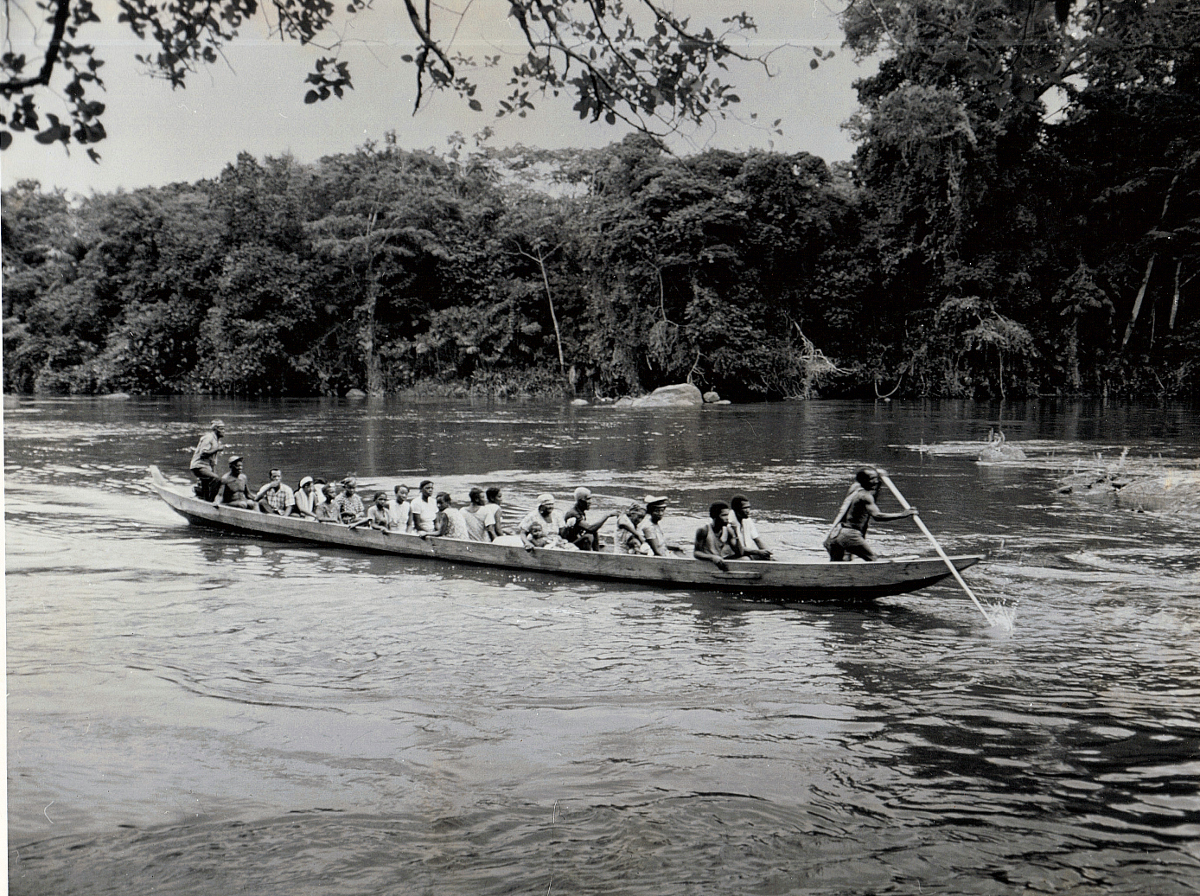
TINA: In short, there are so many things I experienced here. I wanted to come here and see, because I heard how so much about this Grandpa, Afiibiti, that's what we call Mr. Green. And we got to see him here. But I didn't see him how our ancestors saw him. But still I am happy to have met him, because he's still here, but our elders didn't find that blessing. Because they walked before him.
JOSEF: The history, they may have lost... but God called them to come home.
TINA: Right so. And I learned from this research that they lived short. Today you might be here, but tomorrow our God may call you to come home.
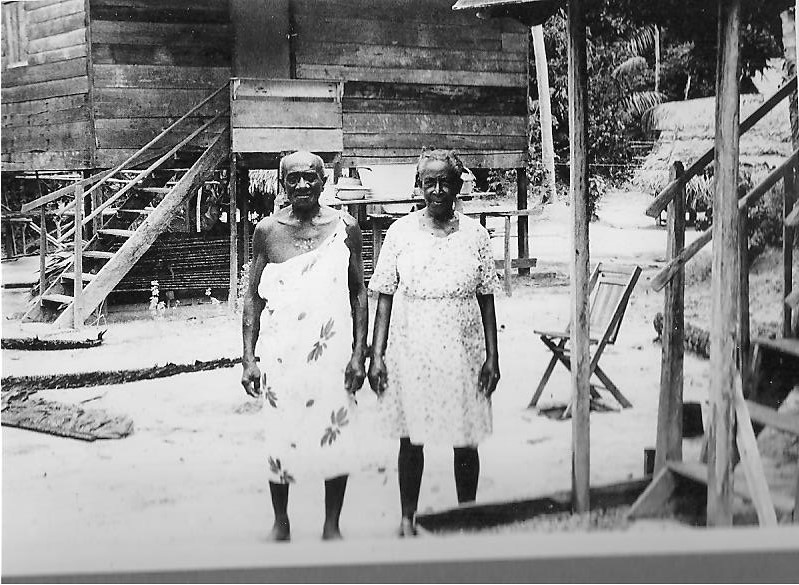
JOSEF: But the fact that they lost their knowledge is not forever. Because we are here now, making an effort, and me and yourself can help our children to come. Like how our ancestors learned me, so we will make an effort for our children because I myself won't always be here.
TINA: So it is. So I find it. And for them who lived short, it is unknown to us what God had planned for them. And it could be that the ancestors did not know that the stories they told to mr. Green would continue to be shared here. And now God in his grace gave us this day to begin sitting down here, to listen to the stories, and put down so much history and storytelling to give to our children...
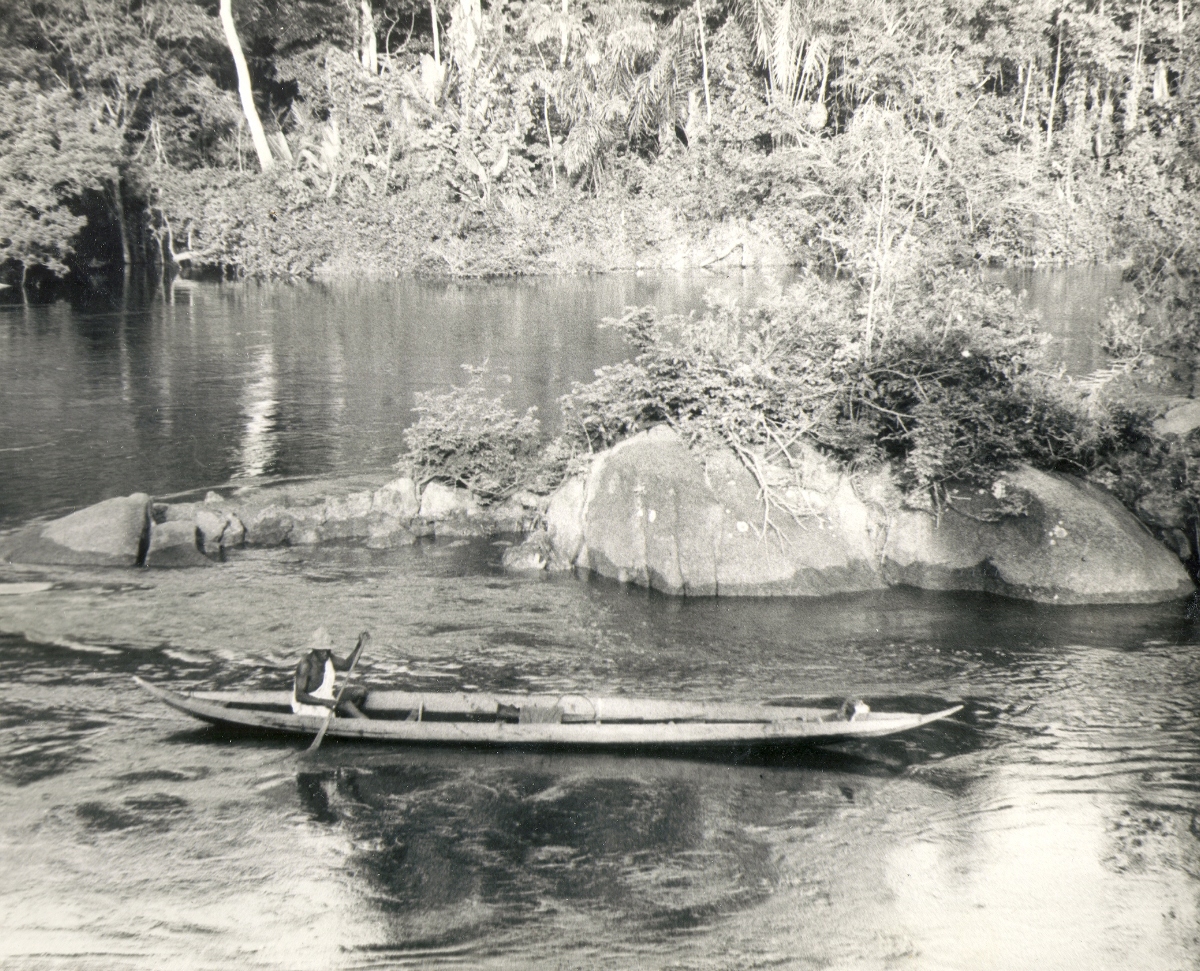
TINA: ...and it makes me happy, and gives me so much emotion. Especially when I hear the voices [of our elders], when I hear the people singing, and when I hear songs like Adonké.
TINA: And so I thank God that I could come here, and do this work here. And after me, others will come who will continue this. If God calls me today to come home, I will be at peace because I did my part, we came to see this here, and now it's up to others to carry it forward.
JOSEF: I will be ready too. It gives me joy.
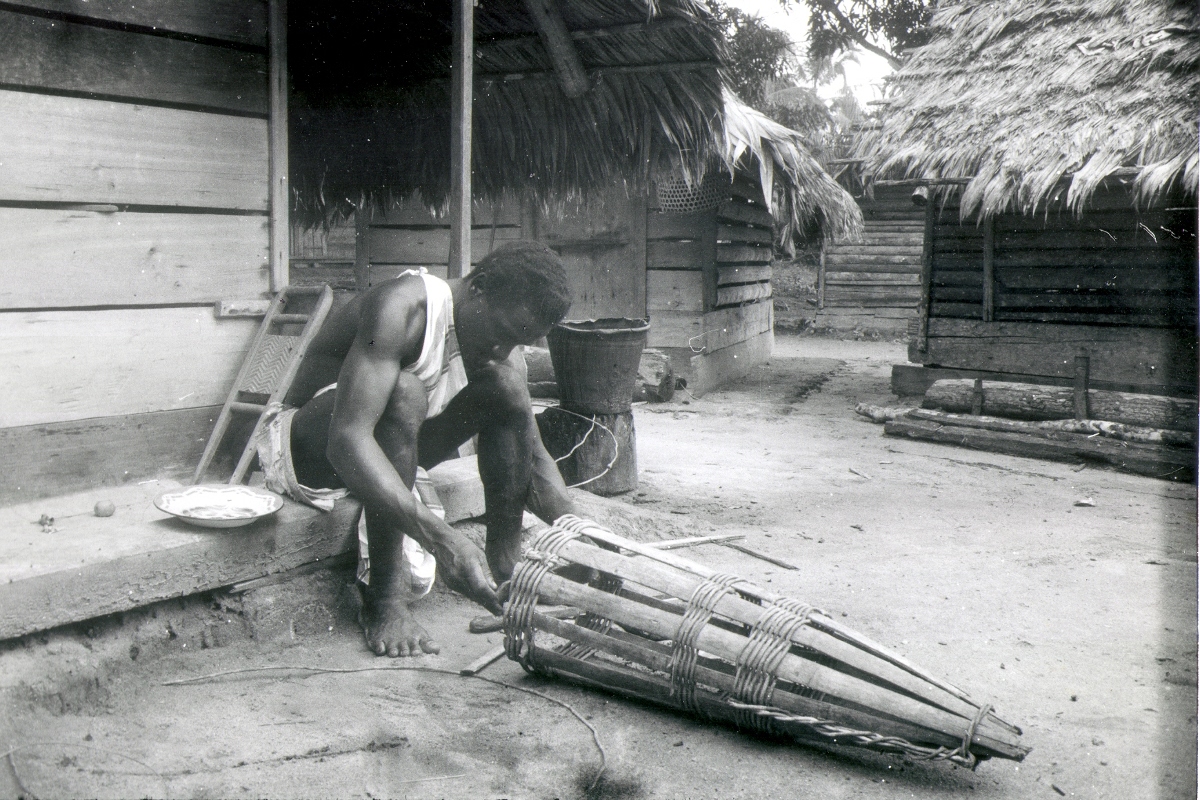
ROLIEN: So, what I would like to add, is to thank the entire ACT, for making it possible to come here, because it makes it possible for Matawai things to be recorded [put on paper]. When I look now on Facebook I see that the other Matawai are happy, that there are Matawai here bringing things forward bit by bit. Because when they turn around, they see we are far but still very close to the tribe. And just like how we came here, all of Matawai comes here. And we thank you for the good help, because after a long time we are making a step forward.
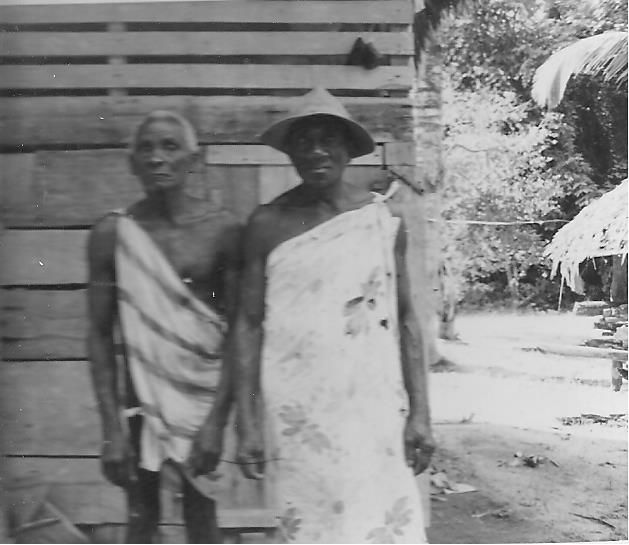
ROLIEN: So, many of the things that I saw here, are only good things. It gives me, exactly like uncle just said, the drive to do it [the research] for myself. For me, at least, I also do it for the children. Because, I know that although I have children, if I die today I do not know, but this package [of information gathered] will be there for the children to come, which ensures that they will know the history of the Matawai. Right?
ROLIEN: I find it sad that we have lost so much. Because, you know, we need medicine, and when you would ask the elders, they would say, "eh eh... we don't know it." But actually, we had it. But they let it go, we threw it in the water. So today, it hurts me a little that so much is gone. Especially the good things. Today hurts me more, and more.
ROLIEN: Done at last. Really, it makes me emotional.
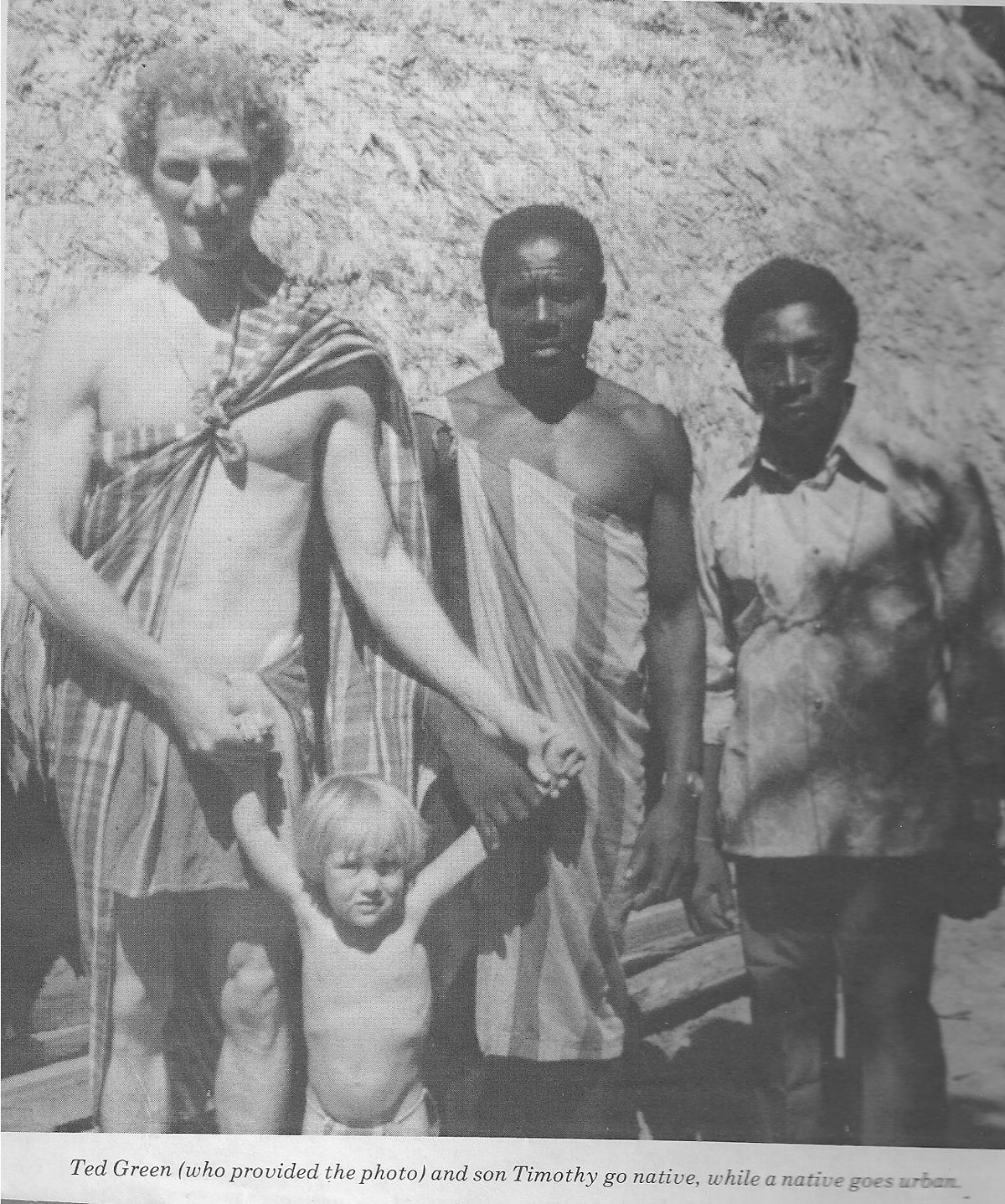
In honor of Ted "Afiibiti" Green who donated his archive of invaluable Matawai materials to the Smithsonian Institute's National Anthropological Archives.
After their research trip at the National Anthropological Archives, the community members held a special Matawai Neti ("Matawai Night") at the Smithsonian Institute, where they conducted several dance and storytelling performances inspired by their findings during the week. Although the content is in the Matawai language, each video has an introduction and a summary explanation by Niradj Hanoeman, who accompanied the Matawai from Suriname to Washington DC.


For more Amazon Conservation Team Storytelling Maps, please visit our website at amazonteam.org.
Sources
Cover: photo from Edward C. Green papers, National Anthropological Archives, Smithsonian Institution (box 3).
Cartography and design by Rudo Kemper.